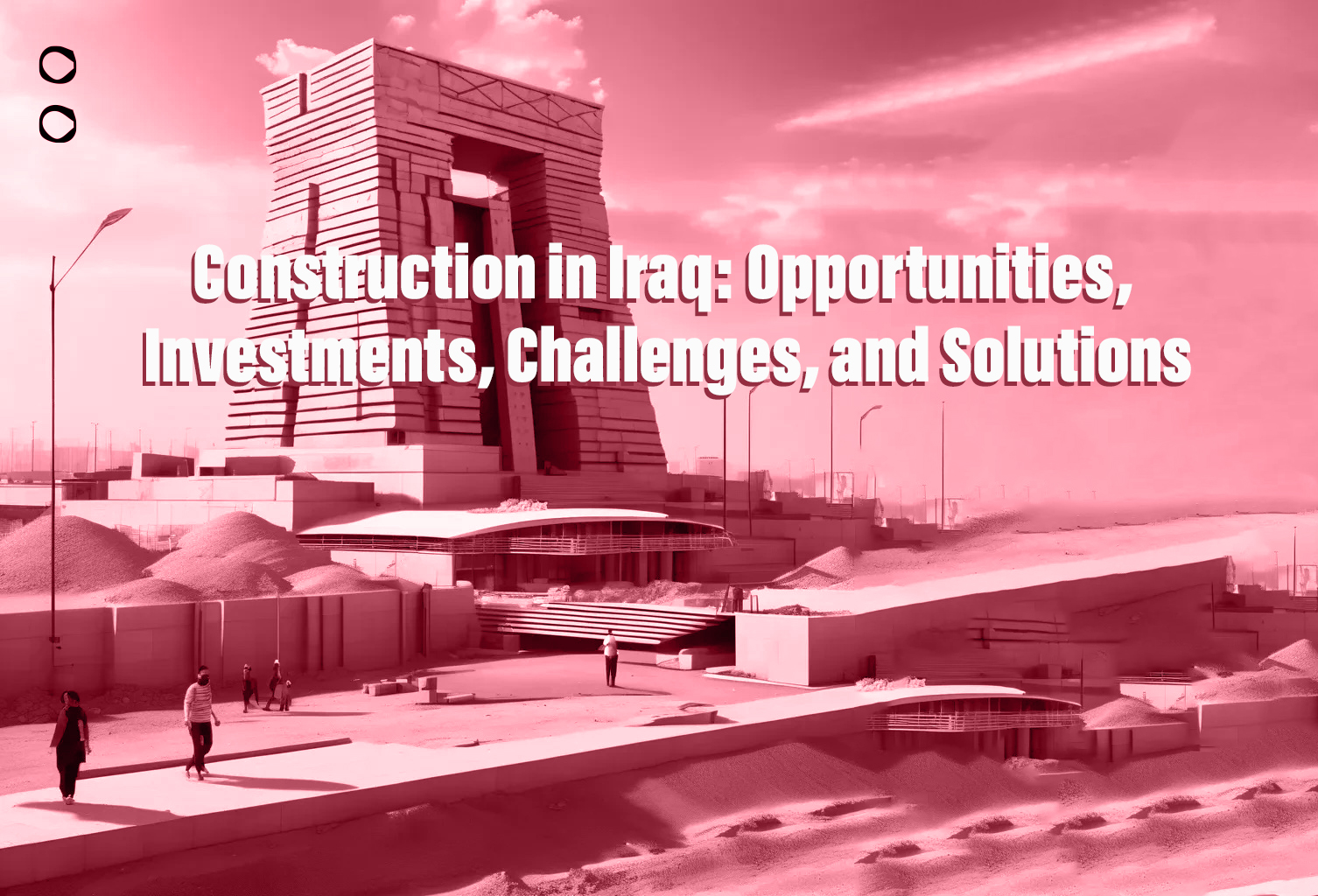
Construction in Iraq: Opportunities, Investments, Challenges, and Solutions
Introduction
Iraq’s construction sector is poised for significant growth, driven by the country’s need for extensive infrastructure development and post-war reconstruction. With substantial investments on the horizon, this sector offers numerous opportunities for businesses and investors. However, the journey is fraught with challenges. In this article, we’ll delve into the current state of construction in Iraq, the investment potential, the obstacles faced, and the solutions that can foster a thriving construction industry.
The Growing Construction Sector in Iraq
In recent years, Iraq has seen a resurgence in its construction sector. The government’s focus on rebuilding war-torn areas and the demand for modern infrastructure have fueled numerous construction projects. The scope of development is vast, encompassing residential and commercial buildings, roads, bridges, and utilities.
The country’s strategic location, rich natural resources, and a young, expanding population further enhance the potential for construction. Urbanization is accelerating, creating a pressing need for housing, commercial spaces, healthcare facilities, and educational institutions.
Investment Potential in Iraqi Construction
Investors are increasingly recognizing the opportunities in Iraq’s construction sector. The government has introduced several initiatives to attract foreign investments, including tax incentives, simplified regulations, and public-private partnership (PPP) frameworks. These measures aim to create a favorable environment for investment and stimulate economic growth.
International organizations and countries are also providing financial aid and support for reconstruction projects, kickstarting major infrastructure developments and encouraging private sector participation.
Key areas of investment include:
- Residential Housing: High demand for affordable housing projects due to a growing population and urbanization.
- Commercial Real Estate: Shopping malls, office spaces, and mixed-use developments to support economic activities.
- Infrastructure Projects: Roads, bridges, airports, and ports critical for improving connectivity and trade.
- Industrial Zones: Establishing industrial parks and zones to attract manufacturing and industrial activities.
- Renewable Energy Projects: Investments in renewable energy infrastructure to sustainably address the country’s energy needs.
Challenges in the Construction Sector
Despite the potential, the construction sector in Iraq faces several challenges:
- Security Concerns: Ongoing political instability and security issues can deter investors and disrupt projects.
- .Bureaucracy and Corruption: Complex regulatory frameworks and corruption can lead to delays and increased costs.
- Infrastructure Deficit: Existing infrastructure is often inadequate, posing logistical challenges.
- Skilled Labor Shortage: Lack of skilled labor and professional expertise in the construction industry.
- Financing Constraints: Access to finance can be difficult, especially for local contractors and small businesses.
- Regulatory Hurdles: Navigating the legal and regulatory environment can be challenging, particularly for foreign investors.
Solutions for a Thriving Construction Industry
Addressing these challenges requires a multi-faceted approach. Solutions to foster a thriving construction industry in Iraq include:
- Enhancing Security and Stability: Continued efforts to improve security and political stability are crucial, including collaboration with international partners to ensure a safe environment for investors and construction workers.
- Streamlining Regulations: Simplifying regulatory procedures and reducing bureaucratic red tape can expedite project approvals and reduce corruption, boosting investor confidence.
- Infrastructure Development: Investing in basic infrastructure such as roads, ports, and utilities to support construction activities. Public-private partnerships can play a vital role.
- Skill Development Programs: Establishing vocational training centers and partnerships with international construction firms to develop a skilled workforce.
- Access to Finance: Creating financial instruments and incentives to facilitate access to capital for local contractors and businesses.
- Promoting Public-Private Partnerships (PPPs): Encouraging PPPs to attract private investment and leverage public resources for large-scale projects.
- Leveraging Technology: Embracing construction technologies such as Building Information Modeling (BIM), drones, and prefabrication to enhance efficiency and reduce costs.
- International Collaboration: Partnering with international construction firms to bring in expertise, best practices, and investment.
Conclusion
Iraq’s construction sector holds significant promise, with opportunities for growth and investment across various segments. While challenges persist, strategic interventions and collaborative efforts can pave the way for a robust and sustainable construction industry. By addressing security concerns, streamlining regulations, investing in infrastructure, and developing a skilled workforce, Iraq can unlock the full potential of its construction sector. For investors and businesses, this is an opportune moment to explore the vast possibilities and contribute to the country’s development journey.